Whoa! I got hooked on mobile wallets years ago, for obvious reasons. They made crypto feel personal and finally usable in daily life. Initially I thought a single app would be enough for all my needs, but over time I learned that multichain compatibility and browser-extension integration actually shape how you manage tokens, NFTs, and the small chaos that is DeFi. So yeah, this matters a lot for anybody who wants control and convenience.
Seriously? Mobile UX is tricky; small layout shifts can ruin a mint. And browser extensions bring another set of risks and conveniences that many people ignore. On one hand the extension lets you sign transactions quickly when using web apps, though actually the moment you add cross-chain swaps and NFT marketplaces to the mix the threat surface expands in ways inexperienced users rarely anticipate. My instinct said to simplify, but I also wanted features.
Hmm… Here’s what bugs me: many wallets promise features but hide key-storage details. You don’t need to be a cryptographer to want transparency. On complicated chains, where gas tokens vary and contract approvals multiply after a few trades, a wallet that can’t present a clear approval history or that buries its nonce and chain settings creates hazards that are easy to miss until it’s too late. That part bugs me—I’m biased, but that’s the truth.
Whoa! Wallets that support NFTs need different UX patterns than simple token wallets. Gallery views, metadata previews, and royalty info matter to artists and collectors. If your wallet treats NFTs as tokens only, without letting you verify media origins or to revoke blanket approvals comfortably, you will eventually pay for the convenience with lost provenance or worse, somethin’ you’ll regret. I learned that after a careless approval once, and yeah it stung.
Why browser-extension behavior needs more attention
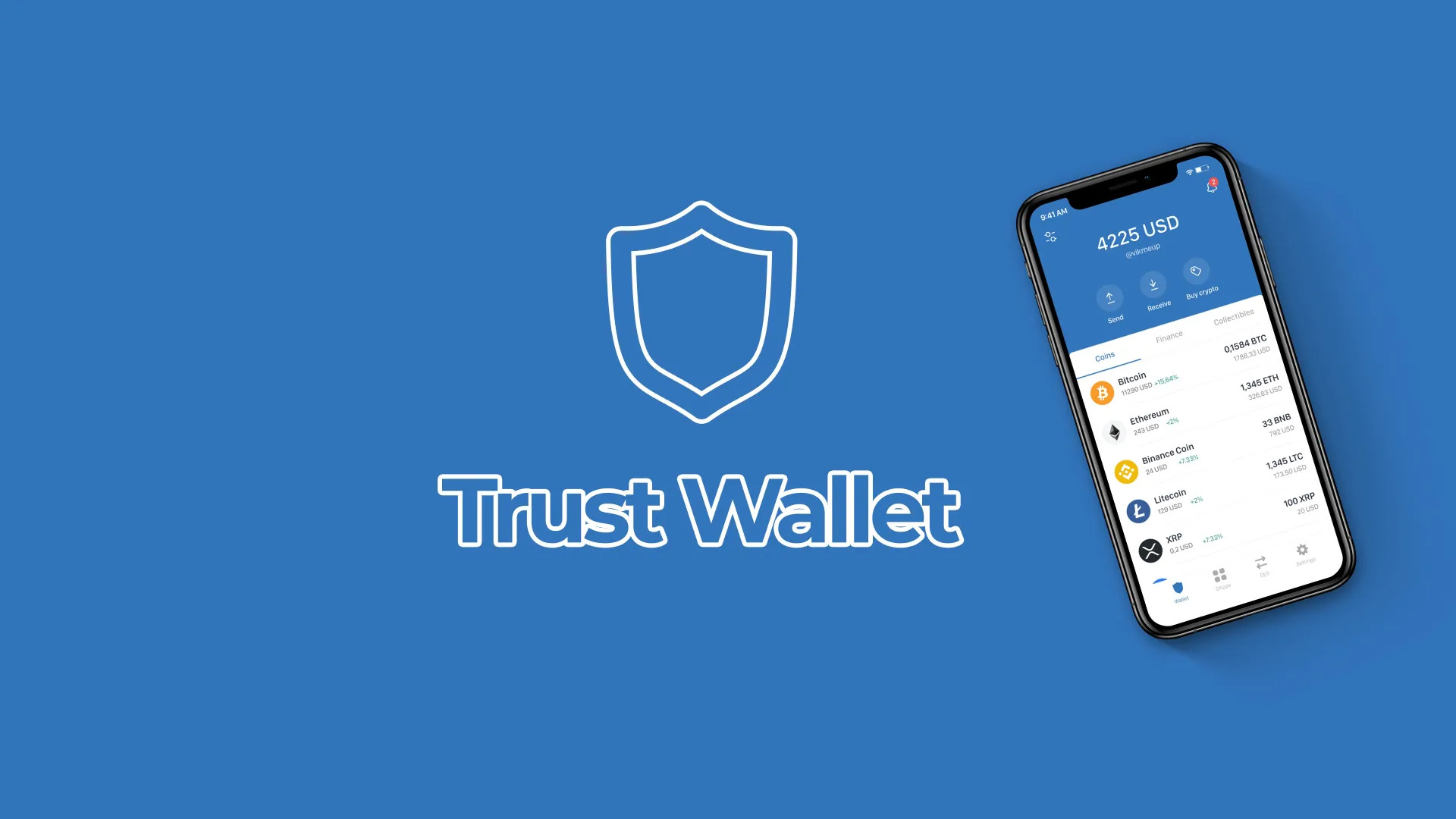
Really? Integration with browser extensions is nontrivial and deserves scrutiny. Extensions can inject scripts into pages or offer native popups that intercept signing flows, so permissions and origin isolation must be explicit, documented, and easy to change for the nontechnical user who just wants to buy an NFT at 2am. When I tried truts wallet, I liked that approvals were shown clearly and that it separates mobile and extension permissions. And never forget secure backups—seed phrases, encrypted exports, hardware wallet support.
Okay. This is where multichain functionality often becomes confusing and risky. Chains differ in transaction replay protections, fee token behavior, and how bridges report events, so a wallet needs both robust chain detection and clear UX to prevent you from sending tokens across incompatible networks by accident. I once misrouted tokens to the wrong network—ugh, rookie move. So choose a wallet that shows chain IDs and warnings clearly, and that lets you lock certain chains or require confirmations for cross-chain operations, because once you lose an NFT to a bridge mishap it’s often impossible to recover it.
I’ll be honest. Choosing a wallet is more personal than people admit. On one hand you want convenience and multisig options, though on the other hand you need clear recovery paths and a vendor that won’t disappear overnight, which is why reputation and open-source audits are very very important in my decisions. I’m not 100% sure any single product is perfect. But if you care about NFTs and sane extension UX, pick wallets that prioritize clarity and let you revoke permissions easily.
FAQ
Do I need both the mobile app and the browser extension?
Short answer: usually yes. The app keeps your keys handy for on-the-go buys, and the extension speeds up web flows. However, make sure they communicate safely (and that you can disable the extension without breaking mobile access), because sometimes the extension duplicates privileges that should be separate.
How do I handle NFT approvals safely?
Limit blanket approvals, review contract addresses, and use the revoke feature often. If the wallet shows approval history, check it before minting; if it doesn’t, treat every approval like a potentially risky permission. Oh, and keep a hardware wallet for high-value assets—trust me, it helps.